New research has put male reproductive health back in the spotlight.
According to data presented at the European Society of Human Reproduction and Embryology annual meeting, average testosterone levels in men may have declined by 54% between 1972 and 2019. The analysis brought together six longitudinal studies involving more than 118,000 men from Israel, the US, Brazil, Finland and Denmark. Researchers described the findings as a warning sign for male reproductive health, while also noting that the causes are likely to be complex.
It is a striking headline but it also raises a bigger question.
If testosterone levels in men are changing over time, what does that mean for sperm health, fertility and the way men think about their reproductive wellbeing?
Why testosterone matters
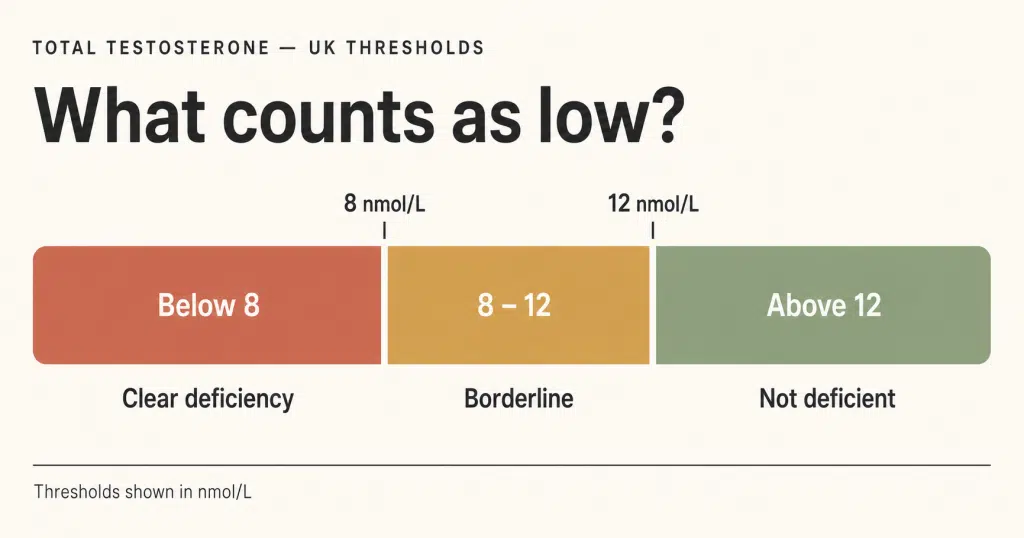
Testosterone is one of the most important hormones in male health. It plays a role in sex drive, muscle mass, bone density, energy, mood, metabolism and sperm production.
But testosterone is not just a “gym hormone” or a marker of masculinity. It is part of a wider hormonal system that helps regulate reproductive function. When testosterone is too low, or when the body’s natural hormone signals are disrupted, sperm production can be affected.
That does not mean every man with lower testosterone is infertile. It also does not mean a normal testosterone result guarantees strong sperm health. Male fertility is more complex than one hormone number.
For a deeper breakdown of how male hormones work, read our guide to male hormones and fertility.
Why are testosterone levels in men declining?
The researchers behind the new analysis suggested that several factors may be contributing to the decline in testosterone levels in men. These include rising levels of obesity, diabetes, metabolic syndrome, endocrine-disrupting chemicals and possible environmental effects such as heat exposure and climate-related factors, according to The Guardian.
Obesity and metabolic health are especially important because the relationship between testosterone and general health works both ways. Excess body fat can influence hormone balance, while lower testosterone may also be associated with changes in energy, body composition and metabolic function.
However, it is important not to overstate the findings. Some experts have cautioned that obesity, diabetes and metabolic syndrome could explain a significant part of the observed decline. The research is a warning sign, not a final answer.
What is clear is that male reproductive health is increasingly being discussed as a wider health signal, not something that only matters when a couple struggles to conceive.
Testosterone and sperm production are connected
Testosterone is necessary for sperm production, but the relationship is not always straightforward.
Sperm are produced in the testes through a process called spermatogenesis. This depends on testosterone, but also on signals from the brain, including hormones such as LH and FSH. When that system is disrupted, sperm production can fall.
This is one reason why testosterone bloodwork alone cannot tell you whether your sperm health is optimal. A man can have a testosterone result that looks acceptable while still having issues with sperm concentration, motility or total motile sperm count.
If you want to understand the difference, read our guide on testosterone and sperm quality.
The TRT issue many men miss
One of the most important fertility points is testosterone replacement therapy, often called TRT.
Many men assume that more testosterone means better fertility. In reality, external testosterone can suppress the body’s own sperm production. Research has described exogenous testosterone as a preventable cause of male infertility, because it can significantly reduce spermatogenesis and, in some cases, contribute to azoospermia, where no sperm are found in the semen.
This is why major medical guidance is cautious about testosterone therapy in men who are planning fertility. The Endocrine Society recommends against starting testosterone therapy in men planning fertility in the near term, and American Urological Association guidance states that exogenous testosterone should not be prescribed to men who are currently trying to conceive.
This does not mean TRT is always wrong. It means fertility goals should be discussed before starting treatment. If a man is on TRT, considering TRT, or has used anabolic steroids, sperm health should be part of the conversation.
For more on this, read our guide to testosterone replacement therapy and male fertility.
Testosterone is not the same as sperm health
The new testosterone findings matter because they point to a wider issue: male reproductive health is often overlooked until there is already a problem.
But if you are trying to conceive, testosterone is only one part of the picture.
A semen analysis looks directly at sperm-related markers. According to the NHS guidance on low sperm count, a semen analysis checks the amount of sperm in the semen, how fast sperm move and the shape of the sperm. If a result suggests a possible problem, a repeat semen analysis is usually recommended around three months later.
The World Health Organization’s semen analysis manual is also used as a reference for laboratory procedures and methods designed to support quality and comparability in semen testing.
Key sperm health markers include:
- Sperm concentration — how many sperm are present
- Motility — how well sperm are moving
- Semen volume — how much semen is produced
- Total motile sperm count — the number of moving sperm in the full sample
These markers give a more direct view of fertility potential than testosterone alone.
You can learn more in our guide to what semen analysis measures.
Why male fertility testing matters
Fertility is often treated as a female issue, but male factors are a major part of the picture. NICE fertility guidance includes semen analysis as part of testing for male factor fertility problems, and recommends further assessment when there are two or more abnormal semen analyses.
That matters because sperm health can be affected by many of the same factors linked with testosterone decline: weight, metabolic health, heat exposure, smoking, alcohol, stress, sleep, illness, medication and environmental exposures.
It also matters because sperm can change over time. A single test from years ago may not reflect your current fertility status. Lifestyle changes, illness, medication, TRT, heat exposure and age can all influence sperm production.
If you are trying for a baby, planning fertility treatment or simply want a clearer baseline, male fertility testing can help you understand what is happening beyond your hormone numbers.
When should men check their sperm health?
You may want to consider a sperm test if:
- You and your partner are trying to conceive
- You want a fertility baseline before waiting months
- You have used or are considering TRT
- You have used anabolic steroids
- You have had a previous abnormal semen analysis
- You have lifestyle or health factors that may affect fertility
- You want to understand your reproductive health before fertility treatment
A sperm test does not replace medical advice, and abnormal results should be discussed with a healthcare professional. But testing can help men move from guessing to understanding.
If you want to know what the process involves, read our guide to how to prepare for a sperm test.
The takeaway
The latest research on testosterone levels in men is not just a story about hormones. It is part of a wider conversation about male reproductive health.
Testosterone matters. But it is not the full fertility picture.
If men are already tracking fitness, sleep, supplements, blood markers and long-term health, sperm health deserves a place in that conversation too. Especially when planning for a family.
Understanding your testosterone can tell you something about your hormone health. Understanding your sperm health can tell you something much more directly connected to fertility.
That is why male fertility testing matters.
Learn more about sperm testing and male fertility.
FAQs
Are testosterone levels in men really falling?
New research suggests that average testosterone levels in men may have declined over the past 50 years. However, the exact reasons are still being debated. Obesity, diabetes, metabolic health, environmental exposures and lifestyle factors may all play a role.
Does low testosterone mean low fertility?
Not always. Testosterone is important for sperm production, but fertility depends on several sperm health markers, including sperm concentration, motility, semen volume and total motile sperm count. A testosterone blood test alone cannot confirm whether your sperm health is normal.
Can you have normal testosterone but poor sperm health?
Yes. Testosterone and sperm health are connected, but they are not the same measurement. A man can have testosterone levels within the normal range and still have issues with sperm count, movement or overall semen quality.
Does TRT affect sperm production?
Yes, it can. Testosterone replacement therapy can suppress the body’s natural hormone signals that support sperm production. In some men, TRT can significantly reduce sperm count or even contribute to azoospermia, where no sperm are found in the semen.
What does a male fertility test measure?
A male fertility test usually looks at key semen parameters such as sperm concentration, sperm motility, semen volume and total motile sperm count. These results can help indicate whether sperm health may be affecting your chances of conceiving.
When should a man take a sperm test?
A sperm test can be useful if you have been trying to conceive, want a fertility baseline, have used or are considering TRT, have had a previous abnormal semen analysis, or want to check your reproductive health before fertility treatment.