If you have ever wondered what really happens when you quit alcohol for a month, you are not alone. Every January, millions take part in Dry January, a global challenge to stay booze-free for 31 days.
But beyond bragging rights and saving money, taking a break from alcohol can trigger a chain of health benefits. You may notice better sleep, focus, and skin, along with deeper changes such as improved hormone balance and sperm quality.
Whether you are doing it to reset your habits, boost your fertility, or simply feel better, here is exactly what happens to your body and mind when you quit alcohol for a month, backed by science and fertility insights from ExSeed Health.
Week 1: Better Sleep, Hydration, and Energy
The first few days without alcohol can be challenging, especially if you are used to winding down with a drink after work. But within a week, your body starts to rebalance.
- Sleep improves: Alcohol shortens deep REM sleep cycles. Within days of quitting, you are likely to wake up more refreshed. Learn more about the link between sleep and fertility.
- Hydration returns: Alcohol is a diuretic, which means it dehydrates your body and affects nutrient absorption. Staying hydrated supports energy, skin health, and better semen quality.
- Energy lifts: Without hangovers or poor sleep, your focus and energy begin to rise. It is a great time to build better routines.
ExSeed Insight: Hydration and rest are the foundation of male reproductive health. Poor sleep and dehydration have both been linked to lower sperm motility and count.
According to the NHS, reducing alcohol intake can improve energy levels, sleep quality, and skin health in as little as one week.
Week 2: Mood, Skin, and Motivation Get a Boost
By week two, the changes become more noticeable.
- Mood stabilizes: Alcohol can disrupt serotonin and dopamine balance, leading to anxiety or mood swings. Quitting helps your brain regulate these feel-good chemicals naturally.
- Skin clears up: Alcohol inflames blood vessels and depletes vitamin A, leaving skin dull or puffy. With better hydration and liver function, your complexion starts to glow again.
- Motivation returns: Improved focus and stable energy lead to better productivity and workouts.
Did you know? Alcohol consumption increases oxidative stress, which harms sperm DNA and motility. Taking a break helps your body restore antioxidant balance. Learn more about oxidative stress and male fertility.
A 2020 study on Dry January participants found measurable improvements in sleep, mood, and energy after one month without alcohol.
Week 3: Hormones and Organs Start to Rebalance
At this point, your internal systems are catching up to your new habits.
- Liver recovery: The liver begins to regenerate and process hormones more efficiently. A healthier liver supports reproductive function. Learn more about the connection between liver health and fertility.
- Lower inflammation: Alcohol triggers chronic inflammation that affects metabolism, immunity, and reproductive health.
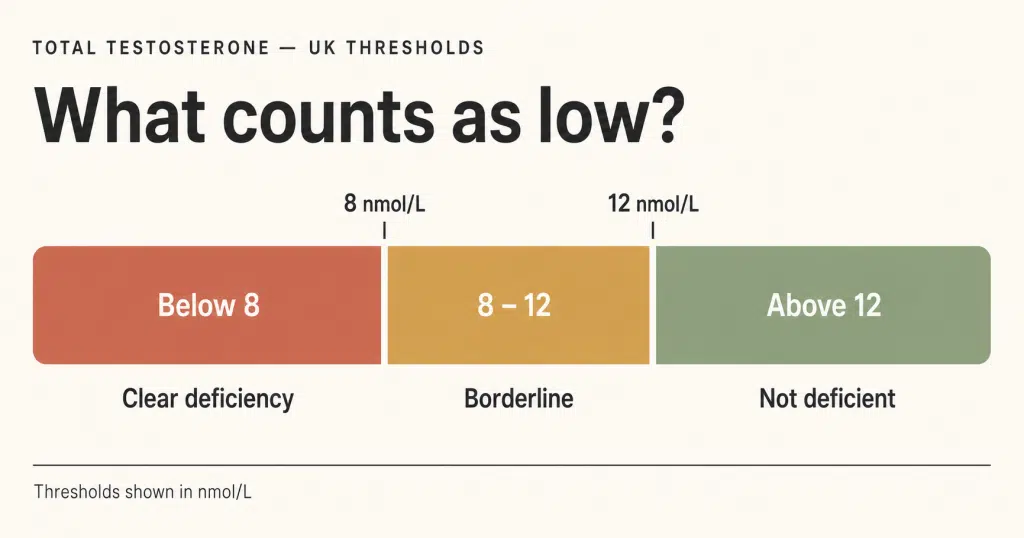
- Hormone normalization: Testosterone production often starts to increase after two to three weeks of abstinence. This can improve libido, muscle recovery, and sperm health.
ExSeed Insight: Chronic alcohol use reduces testosterone and raises estrogen. Quitting allows hormone levels to stabilize and supports sperm count and sexual function. See how testosterone and sperm quality are connected.
The World Health Organization reports that reducing alcohol intake supports hormone balance, reduces inflammation, and aids liver recovery.
Week 4: Fertility, Focus, and Long-Term Benefits
After a full month alcohol-free, your body and mind start performing closer to their natural rhythm.
- Improved immunity: Your immune system grows stronger as white blood cell activity returns to normal.
- Metabolic reset: Your gut microbiome rebalances, improving digestion and nutrient absorption, both key to male fertility.
- Fertility benefits: Semen quality, volume, and motility can improve as oxidative stress decreases. Since sperm development takes around 72 days, one alcohol-free month is a powerful start.
- Sharper mind: Most people report clearer thinking, better mood stability, and stronger motivation.
ExSeed Insight: A month off alcohol is a reset for your fertility. Combine it with nutrient-dense foods and fertility supplements for even greater results.
Research from Healthline and UCDavis Health confirms that short-term abstinence leads to measurable benefits in sleep, liver function, and energy levels.
The Science: How Alcohol Affects Fertility
Alcohol affects both male and female fertility, but for men, even moderate drinking can make a measurable difference.
- Reduces testosterone: Regular drinking interferes with testicular hormone production, lowering libido and sperm concentration.
- Damages sperm DNA: Alcohol increases oxidative stress, leading to DNA fragmentation. Learn more about sperm DNA damage.
- Impairs sperm movement: Alcohol affects sperm motility and structure, making it harder to reach the egg.
- Affects nutrient absorption: Alcohol blocks key nutrients such as zinc, vitamin C, and folate that support sperm health.
According to a review in Frontiers in Physiology, heavy drinking is associated with reduced sperm concentration and altered hormone levels. Similarly, a 2021 review in PMC concluded that alcohol impairs semen quality primarily through oxidative stress and hormonal imbalance.
The good news is that sperm cells regenerate every two to three months. Reducing or quitting alcohol allows new sperm to develop in a healthier environment.
If you are trying to conceive, pair Dry January with better nutrition and proven supplements like CoQ10 and zinc. Explore our guide to fertility supplements for men.
How to Stay Alcohol-Free Beyond January
If you have felt the benefits of Dry January, you might want to keep the momentum going. Here are some tips to stay alcohol-free long term.
- Find your why. Whether it is fertility, focus, or energy, keep your goal visible.
- Swap your drink, not your routine. Try the best alcohol-free beers for fertility or antioxidant mocktails.
- Track your progress. Record changes in sleep, mood, and focus. Testing your sperm health can also show real progress.
- Handle stress wisely. Stress is one of the biggest fertility disruptors. Learn how stress affects sperm and semen quality.
- Adopt holistic habits. Combine moderation with exercise that supports sperm health and a balanced diet.
- Plan for moderation. If you reintroduce alcohol, stick to NHS guidelines of no more than 14 units per week, spread across several days.
The Bottom Line
Quitting alcohol for a month is not just a health trend. It is a biological and mental reset. You will likely notice better sleep, mood, focus, and energy within weeks. Internally, your liver heals, hormones rebalance, and sperm cells regenerate with improved quality.
If you are planning for a baby or simply want to optimize your wellness, taking breaks from alcohol throughout the year can make a real difference.
Want to see the change for yourself?
After Dry January, consider testing your sperm health at home with ExSeed’s At-Home Fertility Test. It is a science-backed, private, and empowering way to track your progress and take control of your reproductive health.