If you and your partner have been trying to conceive for several months without success, it is natural to feel a mix of frustration and uncertainty while exploring potential infertility reasons in males that may be playing a part
For a long time, the burden of fertility investigation fell almost exclusively on women, but we now know that infertility in males is a factor in approximately half of all cases where couples struggle to get pregnant.
This isn’t a reflection of your masculinity or your health as a whole; rather, it is a complex biological puzzle that often has clear, addressable causes. Understanding what is happening “under the hood” is the first step toward moving from a place of worry to a position of empowerment.
Research published in National Library of Medicine, indicates that infertility affects millions of men globally, yet many remain unaware of the underlying factors until they actively seek testing. The good news is that sperm production is a dynamic process. Because your body creates a fresh batch of sperm roughly every 90 days, the lifestyle and medical interventions you implement today can lead to measurable improvements in just a few months.
The Biological Foundations: Medical Causes of Infertility in Males
Male fertility relies on a delicate sequence: producing healthy sperm, ensuring maturation, and successful delivery during ejaculation. Exploring common infertility reasons reveals that any interruption in this process can lead to difficulties in conceiving.
Varicocele and Structural Issues
One of the most common physical reasons for infertility in males is a varicocele. The enlargement of the veins within the scrotum. Similar to a varicose vein in the leg, a varicocele can cause the testicles to overheat and blood to pool, which harms sperm production and quality. While often painless, the Health University of Utah suggests that these dilated scrotal veins are a primary focus for specialists because they are frequently treatable through minor surgical procedures.
Hormonal Imbalances
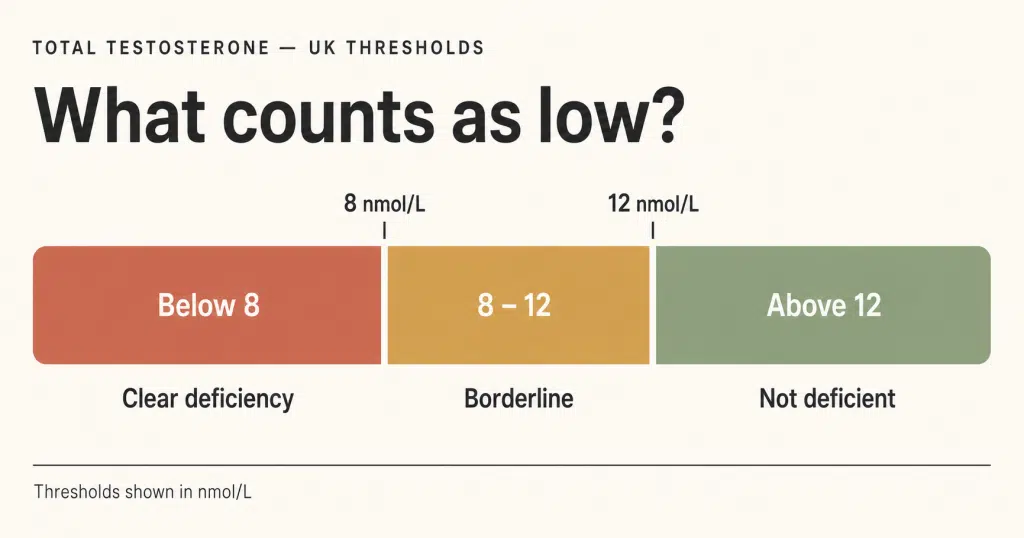
Your reproductive system is governed by a complex interplay of hormones, including testosterone, follicle-stimulating hormone (FSH), and luteinizing hormone (LH). When these essential chemical messengers are out of balance, the “orders” to produce sperm may not be delivered effectively. Issues with the pituitary gland or the thyroid can also impact these levels, as can the use of certain hormonal replacement therapies that actually shut down natural sperm production.
Infections and STIs
Infections can interfere with sperm production or cause scarring that blocks the passage of sperm. According to a research paper published on male infertility etiology, untreated sexually transmitted infections (STIs) such as chlamydia or gonorrhea can lead to inflammation of the epididymis or testicles. Even common bacterial infections elsewhere in the body can temporarily depress semen quality by triggering an immune response.
Environmental and Lifestyle Infertility Reasons in Males
Your environment and daily habits play a significantly larger role in sperm health than many men realize. Sperm are highly sensitive to external stressors, meaning small changes can address many preventable infertility issues. These minor adjustments often significantly improve reproductive health outcomes for men today.
The Impact of Heat
Testicles sit outside the body because sperm production requires an environment 2°C to 4°C cooler than your core. This specific temperature regulation is vital for maintaining healthy sperm development and function. Constant exposure to heat whether from frequent hot baths, heated car seats, or extended sauna use can “cook” developing sperm, leading to lower counts and reduced motility.
Oxidative Stress and Nutrition
Sperm cells are particularly vulnerable to oxidative stress, which occurs when there is an imbalance between free radicals and antioxidants in the body. This stress can damage the sperm’s cell membrane and its DNA. A diet lacking in vital micronutrients like Zinc, Selenium, and Vitamin C can leave sperm without the defense they need to thrive. Furthermore, exposure to environmental toxins and plastics containing endocrine disruptors can mimic or interfere with your natural hormones.
Identifying the Signs and Symptoms of Infertility in Males
One of the most challenging aspects is that male infertility often lacks obvious signs or symptoms. A man may have a healthy sex drive and strong erections while remaining infertile.
Despite appearing physically fit, some men face a total absence of sperm, known as azoospermia. Others may struggle with very low sperm motility, which hinders the chances of natural conception.
However, some subtle red flags might suggest it’s time to investigate further:
- Changes in Sexual Desire: Significant drops in libido or difficulty maintaining an erection can point to hormonal issues.
Pain or Swelling: Any persistent ache or a visible lump in the testicular area should be examined by a professional.
Respiratory Issues: Interestingly, certain genetic conditions that cause infertility, such as Cystic Fibrosis, are also linked to chronic respiratory infections.
Semen Appearance: While not always definitive, semen that appears very watery or has a distinct color change can sometimes indicate a lower concentration of sperm.
Genetic and Modern Infertility Reasons in Males
Infertility causes often stem from genetic factors or modern lifestyle influences. Sperm DNA fragmentation involves breaks or lesions within the sperm’s genetic material. Even with a normal sperm count, high fragmentation levels can prevent successful egg fertilization. Age also plays a critical role in male reproductive health.
Sperm quality, including DNA integrity and motility, typically begins to decline after age 40. Finally, chronic stress and poor sleep contribute significantly to the global trend of declining sperm counts.
When Should You Get Tested?
According to NHS guidelines, you should see your GP if you have not conceived after one year of trying. However, you should test sooner if you fall into one of the following categories:
1. Age-Related Concerns
While a year is the standard waiting period, the NHS recommends seeking help earlier if the female partner is age 36 or older. This is because female fertility declines more rapidly starting in the mid-30s. Moving forward with a fertility assessment sooner ensures that any potential male or female-factor issues are identified before time becomes a critical factor.
2. Known Medical Risk Factors
You shouldn’t wait at all if you have a medical history that includes:
Childhood issues: Such as undescended testicles or inguinal hernia repairs.
Surgeries: Previous trauma or surgery to the groin or scrotum.
Health treatments: A history of chemotherapy or radiation.
Sexual health: Difficulty with erections, ejaculation, or a history of STIs.
3. Proactive “Baseline” Testing
In the modern era, many men are choosing to test before they even start trying. Testing proactively allows you to:
Establish a baseline: Know exactly where your sperm count and motility stand today.
Optimize early: Since sperm takes about 90 days to develop, you can make lifestyle adjustments now to ensure “peak performance” when you’re ready to conceive.
Gain Peace of Mind: Removing the “what ifs” from the equation allows you and your partner to approach the process with confidence rather than anxiety.
The bottom line: There is no “wrong” time to check your health. Whether you’ve been trying for months or are just starting to plan your future family, getting the data early is a sign of proactive partnership.
Taking Control of Your Reproductive Health
Realizing male infertility is part of your story is heavy, but it serves as a powerful call to action. While this news is difficult to process, it empowers you to take control of your reproductive health.
Most factors affecting your sperm quality are either treatable with medical help or improvable through dedicated lifestyle shifts. By identifying potential issues early, you save time, reduce emotional stress, and often avoid more invasive procedures for your partner.
Optimizing your diet, managing heat, and treating medical conditions are vital investments for your future family. Whether you are making lifestyle changes or seeking medical advice, these proactive steps improve long-term reproductive health. Taking action now builds a stronger foundation for your journey toward parenthood.
Take the First Step Today
You don’t need to wait for a clinic appointment to get the data you need. Knowledge is the most powerful tool in your fertility kit. The ExSeed Home Sperm Test provides accurate, clinical-grade analysis of sperm concentration and motility privately at home. This convenient tool offers immediate insights into your reproductive health without needing a clinic visit.
Don’t let uncertainty hold you back. Check your health with an ExSeed Home Sperm Test today and start your path toward fatherhood with clarity and confidence.
Medical Disclaimer: The information provided in this blog post is for educational purposes only and is not intended as a substitute for professional medical advice, diagnosis, or treatment. Always consult a physician or qualified health provider regarding any questions about a medical condition. Professional medical advice is essential for ensuring you receive the correct diagnosis and treatment plan.