Winter can be a tough season for your body – darker days, less movement, and heavier comfort foods all play a role. For men trying to optimise fertility, eating the right male fertility foods during winter can help maintain sperm health, hormone balance, and energy. These seasonal foods can make a big difference for your reproductive wellbeing and overall vitality.
When temperatures drop, sunlight decreases and Vitamin D levels fall, which may lower testosterone and sperm motility. Energy levels and libido can dip as well, making diet even more important. Cold weather and richer food choices often mean fewer fresh fruits and vegetables – so focusing on nutrient-dense male fertility foods helps counterbalance the winter slowdown.
By choosing male fertility foods that are rich in vitamins, minerals, and antioxidants, you can protect sperm quality and hormone balance through the colder months. This guide highlights the best winter ingredients, how they help, and easy ways to fit them into your daily routine.
Why Winter Nutrition Matters for Male Fertility
Short daylight hours mean your body makes less Vitamin D, a nutrient linked with healthy sperm production and testosterone balance (NHS, 2024).
When you stay indoors and move less, your metabolism and mood can dip. Comfort foods high in saturated fat or processed carbs may also reduce semen quality compared with diets rich in vegetables, fish, and whole grains (PubMed Central, 2023).
Eating seasonally – choosing winter vegetables, oily fish, nuts, and seeds – helps restore the vitamins, minerals, and antioxidants your sperm rely on. Learn more about how diet affects sperm health in our Sperm Health Guide.
Top Male Fertility Foods for the Winter Season
1. Vitamin D-Rich Male Fertility Foods
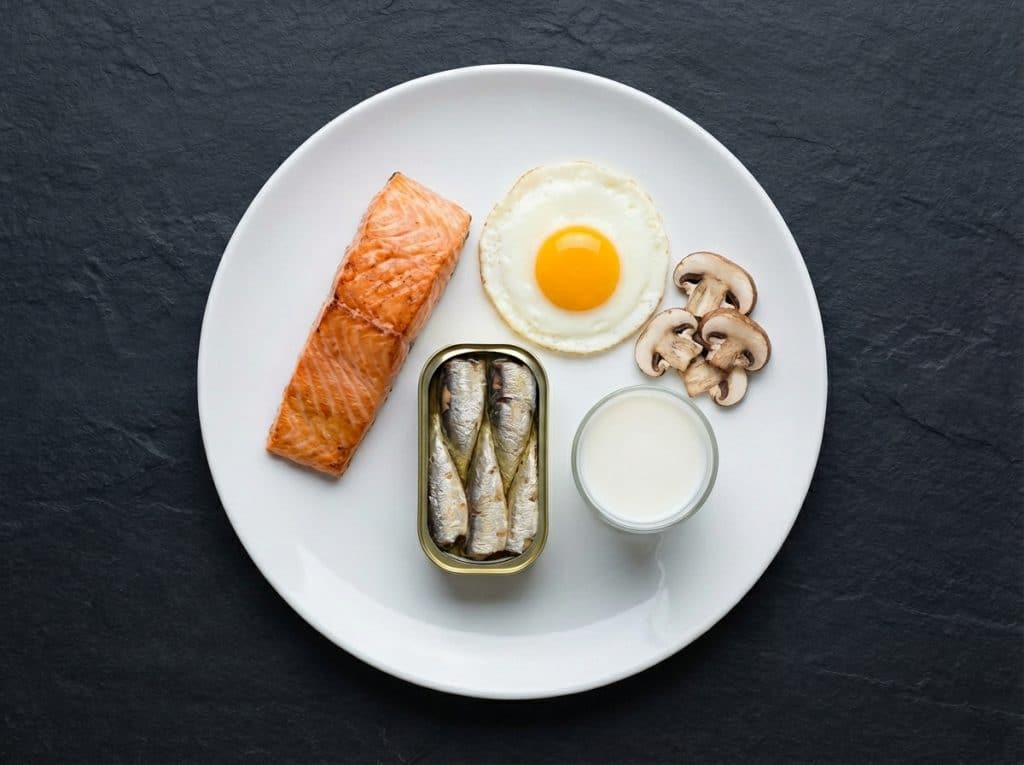
Sunlight is scarce in winter, so food sources matter. Include oily fish such as salmon, mackerel, or sardines at least twice a week. Eggs, fortified milk, and mushrooms also help maintain Vitamin D levels. Research shows Vitamin D supports sperm motility and normal testosterone levels (Human Reproduction Update, 2017).
In the UK, the NHS recommends a daily Vitamin D supplement between October and March. You can also boost intake naturally by eating salmon with scrambled eggs for breakfast or adding grilled mackerel to salads. Both are simple ways to work more male fertility foods into cold-season meals.
2. Zinc-Rich Male Fertility Foods
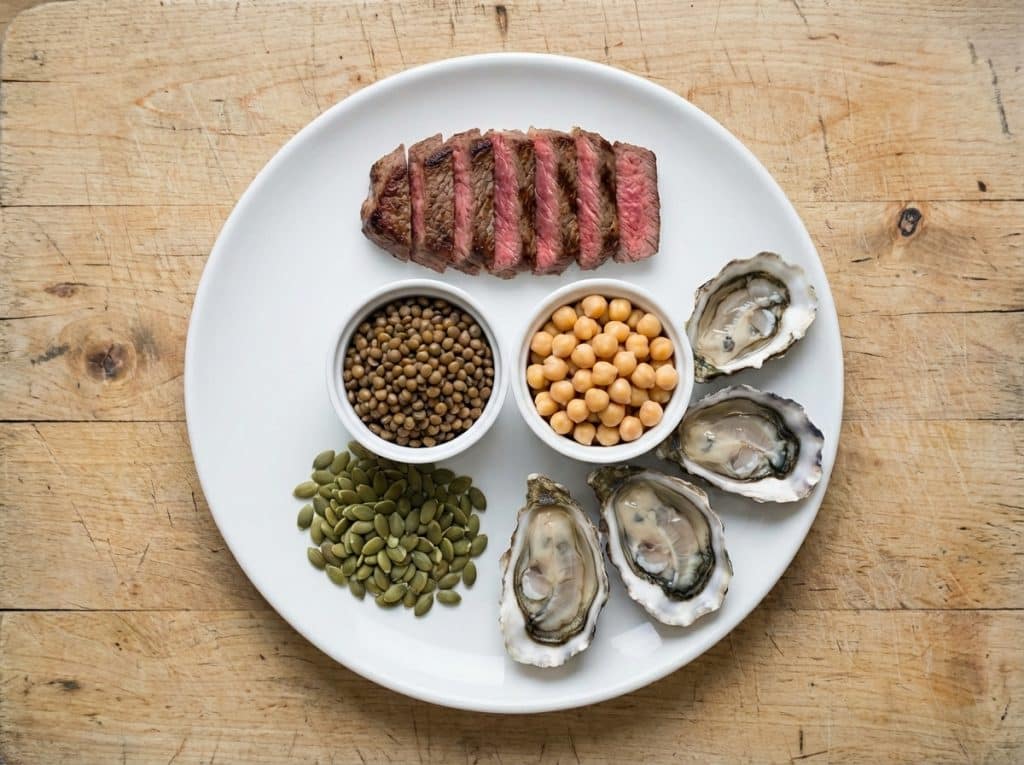
Zinc is essential for sperm production, hormone balance, and DNA integrity. Low zinc levels are associated with reduced sperm count and motility (PubMed Central, 2018).
Winter foods like pumpkin seeds, lentils, beef, and shellfish are excellent sources. A handful of pumpkin seeds in porridge or salads provides an easy daily boost. Zinc also plays a role in testosterone production, which tends to decline slightly in cold, darker months. Combine zinc-rich foods with lean proteins and vegetables for a balanced male fertility diet.
For vitamin supplements that improve volume, read our Vitamin Guide.
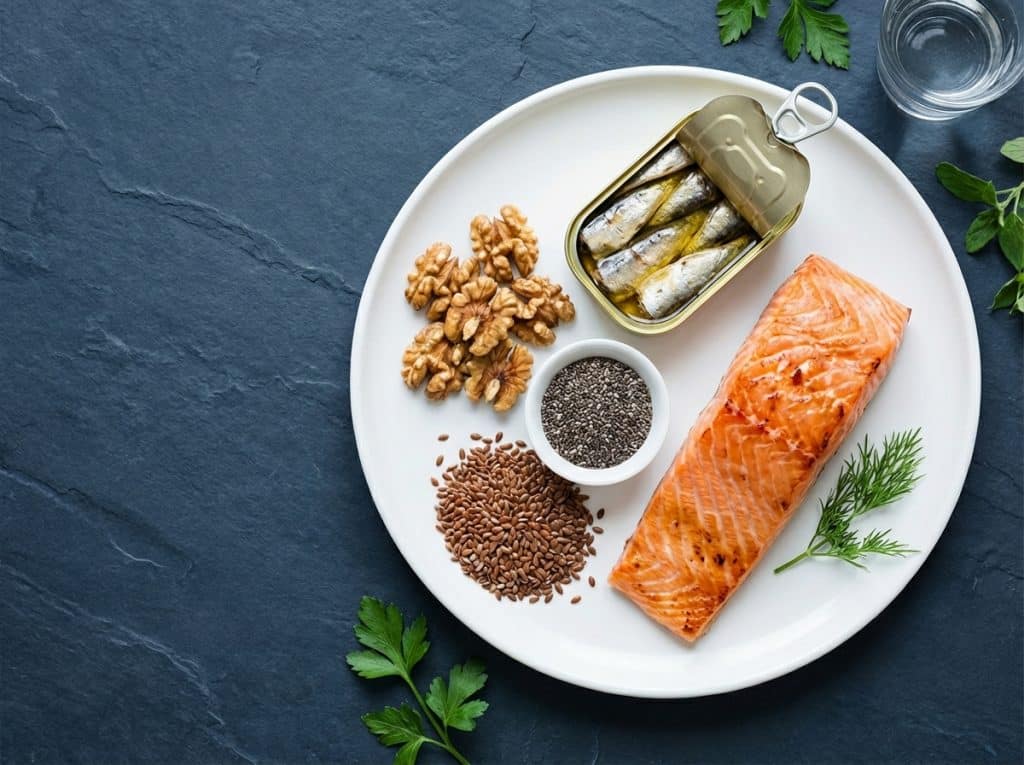
3. Omega-3 Fatty Acids for Sperm Health
Omega-3 fats strengthen sperm membranes and help prevent inflammation. Salmon, sardines, walnuts, chia seeds, and flaxseed are rich in these healthy fats. Clinical studies have linked omega-3 intake with improved sperm morphology and motility (PubMed Central, 2023).
If you don’t eat fish, a plant-based omega-3 supplement can be a helpful winter addition. Walnuts or chia seeds sprinkled over porridge make an easy way to start your day with fertility-friendly fats.
Discover how antioxidants protect sperm in our CoQ10 Fertility Article.
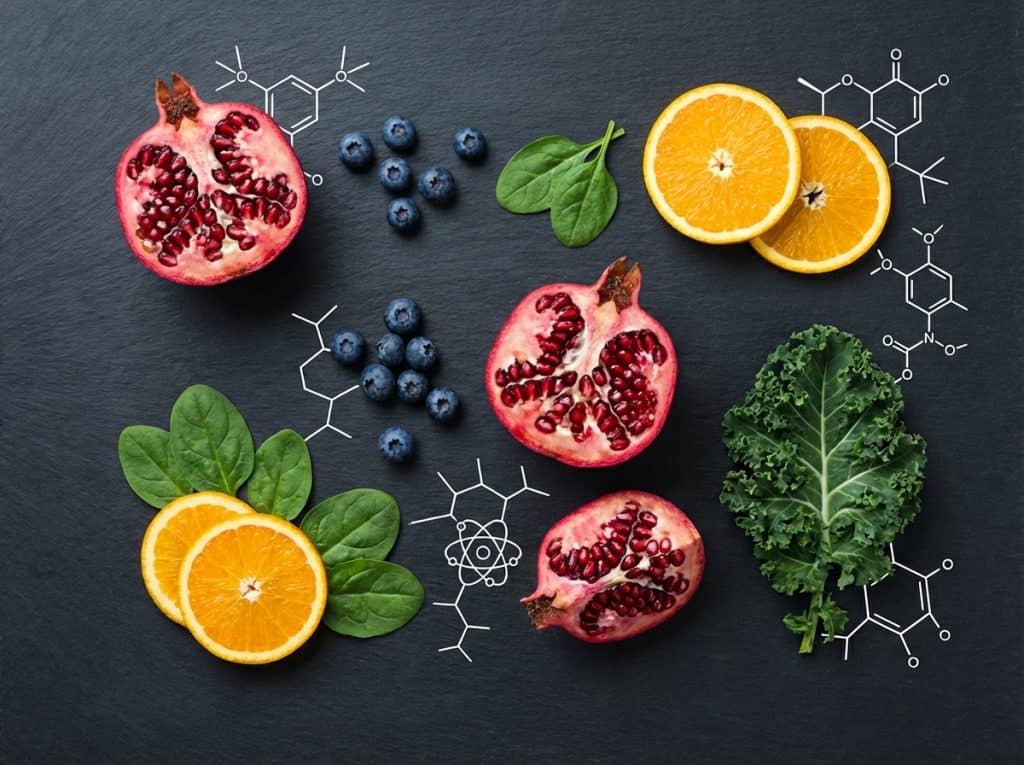
4. Antioxidant Foods for Fertility
Antioxidants defend sperm from oxidative stress – a leading cause of DNA damage. Citrus fruits, spinach, kale, pomegranate, and berries all deliver high levels of vitamins C and E plus natural polyphenols (PubMed Central, 2021).
Keep a bowl of oranges or clementines at your desk and swap processed snacks for nuts and fruit. Oxidative stress can increase in winter due to less fresh air, higher indoor pollution, and seasonal illnesses. Eating a rainbow of fruit and veg helps the body neutralise free radicals, which protects sperm DNA from damage.
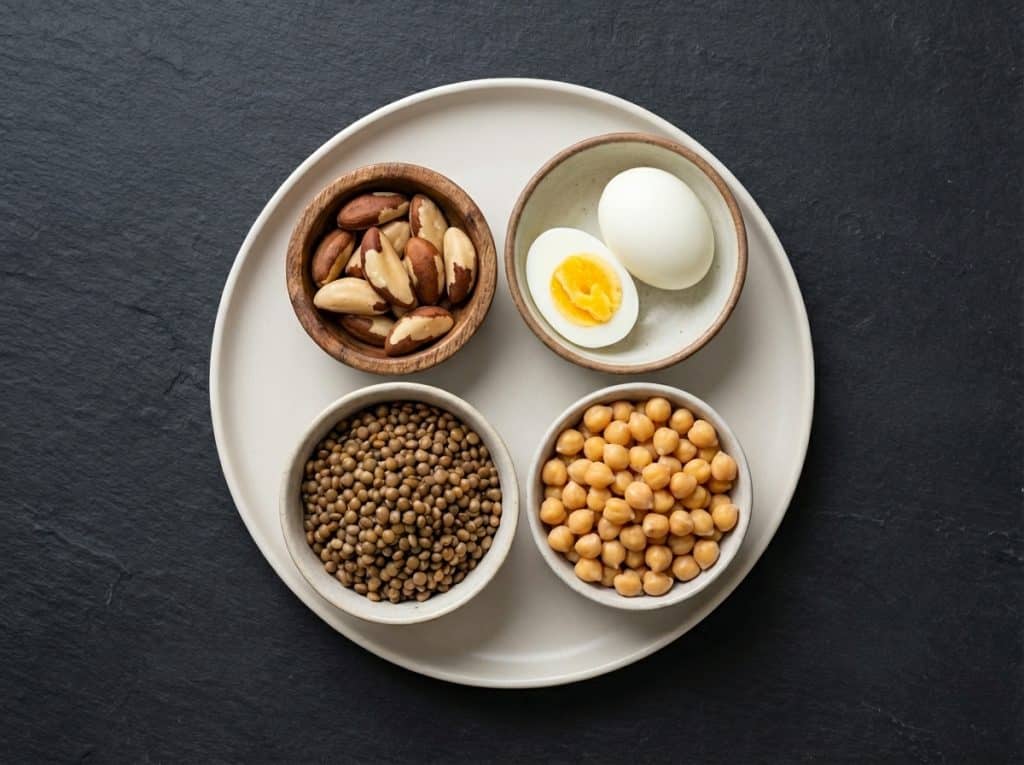
5. Folate- and Selenium-Rich Male Fertility Foods
Folate (vitamin B9) and selenium both contribute to sperm DNA integrity and motility. Winter legumes such as lentils and chickpeas, plus Brazil nuts, eggs, and brown rice, offer these nutrients naturally. Regular intake supports hormone regulation and reduces oxidative damage.
Add lentils to soups or stews and include a few Brazil nuts as a snack for a simple, effective fertility boost.
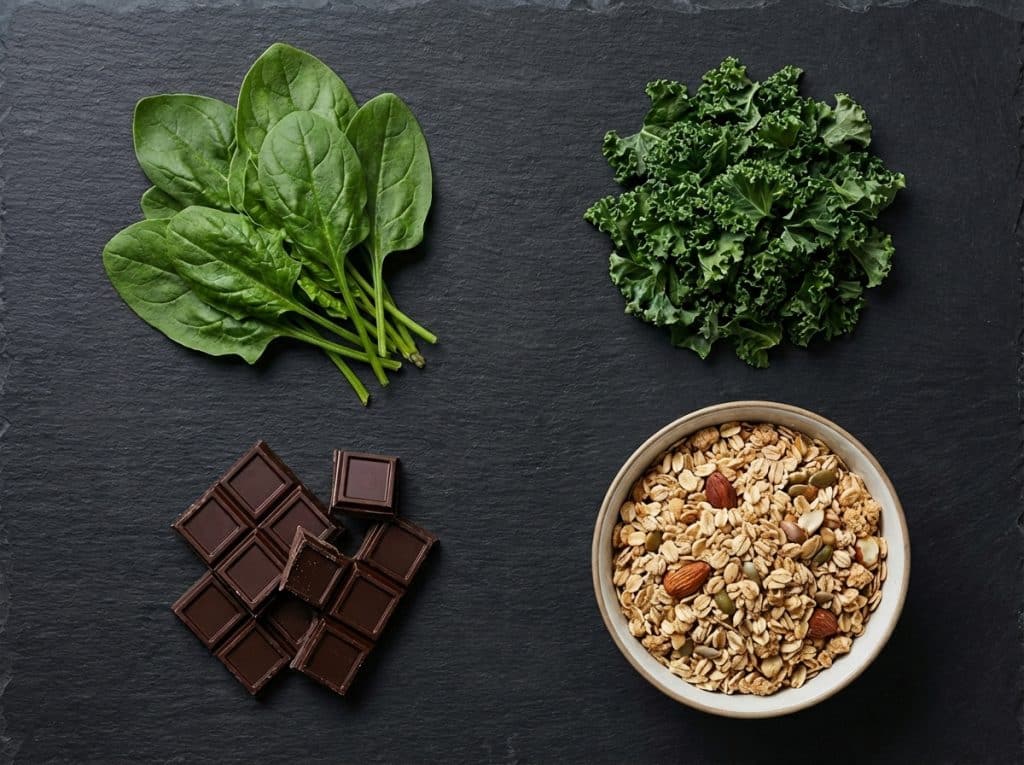
6. Magnesium and Iron Sources
Magnesium helps maintain testosterone levels, while iron supports oxygen flow and energy metabolism – both vital for reproductive health. Include spinach, kale, whole-grain cereals, and dark chocolate (70 %+) in moderate amounts. These ingredients are also easy to cook in winter – add spinach to curries or have a square of dark chocolate with fruit for dessert.
Cold-Season Male Fertility Foods to Include
Cold weather doesn’t have to mean bland or nutrient-poor meals. The UK winter offers plenty of seasonal produce that can directly support men’s reproductive health. Choosing male fertility foods that are in season helps you get more nutrients, better flavour, and lower environmental impact while often saving money.
During the winter months, your diet should focus on foods that are rich in healthy fats, antioxidants, and essential vitamins like D, C, and E. These nutrients protect sperm cells from oxidative stress, improve motility, and help regulate hormone production.
Root vegetables such as sweet potatoes, carrots, and parsnips provide slow-releasing energy, while dark leafy greens like spinach and kale deliver folate and iron – both essential for healthy sperm DNA. Oily fish like salmon and mackerel are excellent sources of omega-3s and Vitamin D, nutrients that can be harder to obtain when sunlight is scarce.
Nuts, seeds, and legumes round out your winter fertility diet. Walnuts and pumpkin seeds supply zinc and magnesium to support testosterone, while lentils and chickpeas offer plant-based protein and folate. Even fruits such as oranges, clementines, and pomegranates, which peak in winter, give your body a daily boost of antioxidants and Vitamin C to enhance sperm quality and resilience.
Here are practical winter staples that double as male fertility foods – easy to find, affordable, and perfect for creating warm, nutrient-dense meals all season long:
| Food | Nutrients | Fertility Benefit |
|---|---|---|
| Salmon / Mackerel | Vitamin D, Omega-3 | Improves sperm motility |
| Eggs | Vitamin D, Choline | Supports sperm membrane |
| Pumpkin Seeds | Zinc, Magnesium | Boosts testosterone |
| Spinach / Kale | Folate, Iron | Protects sperm DNA |
| Sweet Potatoes / Carrots | Beta-carotene | Antioxidant for sperm cells |
| Citrus Fruits | Vitamin C | Increases sperm count |
| Pomegranate | Polyphenols | Enhances motility |
| Oats | B-vitamins | Supports hormone balance |
| Walnuts | Omega-3 | Improves sperm vitality |
| Lentils / Chickpeas | Folate, Zinc | Supports sperm formation |
| Dark Chocolate | Magnesium | Reduces oxidative stress |
Winter Meal Ideas Featuring Male Fertility Foods
Breakfast: Warm Oat Bowl
Make porridge with milk or fortified oat milk. Top with walnuts, pumpkin seeds, and a few orange segments for Vitamin C and zinc. Add a teaspoon of chia seeds for an extra omega-3 boost.
Lunch: Lentil & Kale Soup
Combine lentils, chopped kale, carrots, and tomatoes. This soup delivers folate, iron, and antioxidants – all crucial for sperm quality. Pair it with whole-grain bread or a side of grilled fish for added protein.
Dinner: Baked Salmon with Sweet Potatoes
Roast salmon with olive oil, garlic, and lemon. Add roasted sweet potatoes and spinach for a balanced, fertility-friendly dinner. This meal combines Vitamin D, omega-3, and beta-carotene – a powerful trio for male reproductive health.
Snack: Dark Chocolate with Pomegranate
A small piece of dark chocolate with fresh pomegranate seeds offers a sweet, antioxidant-rich treat.
Check your progress at home with the ExSeed Sperm Test.
Hydration and Warm Drinks for Sperm Health
Cold weather can make it easy to forget hydration. Aim for at least 1.5–2 litres of water daily. Herbal teas – ginger, green tea, or rooibos – supply antioxidants without excess caffeine. Limit coffee to 2 cups per day; high caffeine intake may affect sperm motility in some men (Harvard Health, 2023).
Hydration supports nutrient absorption and semen volume. Warm soups, broths, and herbal teas count toward your fluid intake and are excellent comfort choices on cold days.
Lifestyle Habits to Pair with Good Nutrition
Good nutrition is only one part of a healthy fertility plan. How you move, rest, and manage stress each day plays a major role in hormone balance and sperm health. The following lifestyle habits are simple but powerful ways to enhance the impact of your male fertility foods and support your body through the winter months.
Stay active:
Cold weather can make it harder to stay motivated, but even short daily movement helps maintain healthy testosterone levels and blood flow to the reproductive organs. Indoor workouts, brisk walks, or resistance band exercises can all improve circulation and support sperm quality. If you prefer gentler activity, try yoga or mobility sessions that keep energy levels stable without fatigue. Learn more about how fitness supports male fertility in our Exercise and Fertility Guide.
Get morning light:
Natural light exposure helps regulate Vitamin D production, testosterone, and circadian rhythm. Even 15 minutes of outdoor light in the morning can signal your body to produce hormones that improve mood and fertility. When daylight is limited, consider using a SAD (Seasonal Affective Disorder) light box to support your hormonal rhythm.
Sleep at least 7 hours:
Research shows that poor sleep duration and quality are linked to lower sperm count and testosterone. Create a wind-down routine, limit screen use before bed, and keep your bedroom cool and dark. Quality rest allows your body to repair DNA and balance hormone levels, maximising the effect of nutrient-rich male fertility foods. Read more about the connection between sleep and sperm quality in our Sleep and Male Fertility Article.
Avoid smoking and excess alcohol:
Both are strongly associated with reduced sperm quality and motility. Alcohol can increase oxidative stress and disrupt hormone balance, while smoking damages sperm DNA. If you are trying to conceive, limit drinking to special occasions and avoid nicotine altogether for optimal reproductive health. Our Male Fertility and Lifestyle Habits Guide covers more on these common pitfalls.
Manage stress:
Chronic stress raises cortisol levels, which suppresses reproductive hormones like testosterone. Mindfulness, meditation, and breathing exercises are proven ways to reduce stress hormones and improve sperm quality. Even 10 minutes a day of focused relaxation can make a measurable difference in hormone balance. For tips on keeping calm and fertile, check out our Stress and Fertility Guide.
Prioritise recovery and warmth:
Winter can make your body more prone to fatigue. Take rest days between workouts, eat warm nourishing meals, and avoid overheating the groin area with long hot baths or laptops directly on your lap, as excess heat can reduce sperm production. Moderate temperature and consistent recovery are essential for long-term fertility health. Learn more in our How Heat Affects Sperm Health article.
Winter often increases stress and low mood because of darker days and reduced sunlight. Simple habits like breathing exercises, cold-to-warm contrast showers, or short daylight breaks can improve blood flow and hormonal balance. When combined with male fertility foods, these practices create an ideal environment for healthy sperm production and overall wellbeing.
FAQs
Q: Can winter diet really improve sperm health?
Yes. Diets high in omega-3s, zinc, and antioxidants consistently show better semen parameters than processed diets.
Q: Do I need supplements?
Whole foods should come first, but Vitamin D or omega-3 supplements can help when sunlight or dietary intake is low. The ExSeed Vitamin Guide explains which nutrients are most effective.
Q: How long before diet changes show results?
Sperm develop in about 70 days, so expect noticeable improvements after two to three months of consistent nutrition and lifestyle changes.