Spring represents renewal, making it the ideal time to focus on your health—including your reproductive health. If you’re looking for effective male fertility tips, aligning lifestyle changes with seasonal shifts can make them easier to maintain. With longer days, improved weather, and greater access to fresh foods, spring naturally supports habits that positively impact sperm quality and hormone balance.
But improving fertility isn’t just about lifestyle—it’s also about understanding where you currently stand. That’s why combining healthy changes with male fertility testing is one of the most effective ways to take control of your reproductive health.
What Affects Male Fertility?
Male fertility is influenced by a combination of biological and lifestyle factors, including hormone levels, diet, sleep, stress, and environmental exposure. Poor habits such as smoking, excessive alcohol consumption, and nutrient deficiencies can reduce sperm count, motility, and overall quality.
Smoking and excessive alcohol intake have both been linked to impaired sperm function and reduced fertility outcomes. (World Health Organization; Centers for Disease Control and Prevention).
The challenge is that many of these changes happen silently. Without testing, it’s difficult to know whether your fertility is improving—or declining.
That’s why getting a baseline with a male fertility test is a crucial first step.
The Spring Reset Plan: 5 Ways to Improve Sperm Quality Naturally
Improving fertility doesn’t require extreme changes. Instead, it’s about making consistent improvements across key areas of your lifestyle. A structured “spring reset” allows you to focus on diet, exercise, stress management, and daily habits that influence sperm production.
Because sperm take approximately 74–90 days to fully develop, the actions you take now can significantly impact fertility outcomes in the coming months (National Institutes of Health; Cleveland Clinic).
However, lifestyle changes are most effective when paired with measurable insights—and that’s where fertility testing becomes essential.
1. Upgrade Your Diet for Better Sperm Health
Your diet plays a critical role in improving sperm quality, as nutrients directly support sperm production, motility, and DNA integrity. A diet rich in antioxidants, healthy fats, and essential minerals can help protect sperm from damage while supporting hormonal balance.
Research shows that diets rich in antioxidants, omega-3 fatty acids, and key micronutrients are associated with improved sperm parameters (Harvard T.H. Chan School of Public Health; Mayo Clinic).
At the same time, reducing processed foods and excess sugar—especially during holidays like Easter—can help prevent negative effects on testosterone and metabolic health.
Key Nutrients That Boost Male Fertility
Certain nutrients have been strongly linked to improved sperm health and should be prioritised in your daily diet. Zinc supports testosterone production and sperm development, omega-3 fatty acids improve sperm motility, and antioxidants help reduce oxidative stress. Including foods such as fish, nuts, seeds, fruits, and vegetables can significantly improve fertility over time.
2. Improve Lifestyle Habits That Impact Fertility
Lifestyle choices have a cumulative effect on fertility, meaning even small daily habits can significantly influence sperm health over time. Smoking, poor sleep, and excessive alcohol consumption are among the most common contributors to reduced sperm quality.
By making gradual improvements in these areas, men can support hormone balance and create a healthier environment for sperm development.
The Connection Between Sleep and Testosterone
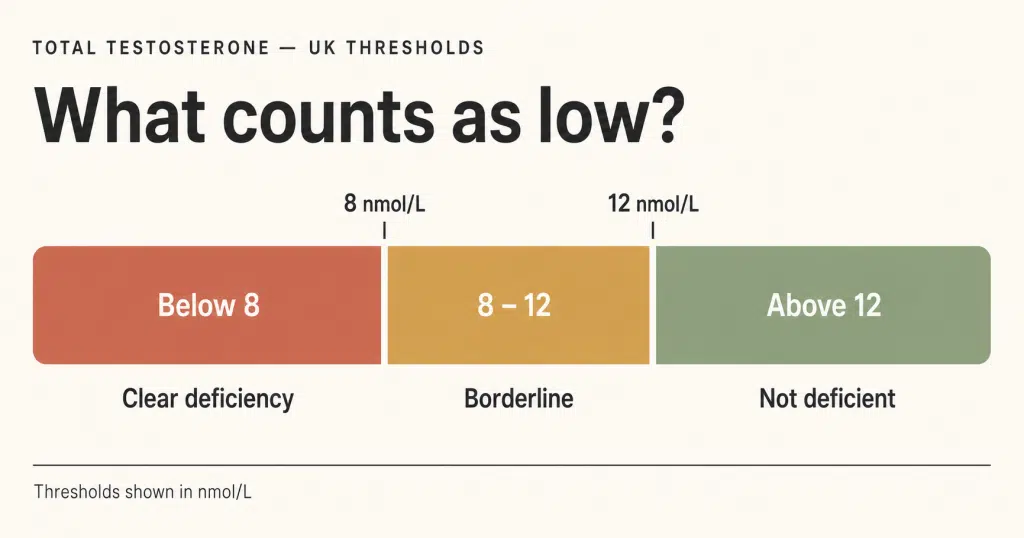
Sleep plays a crucial role in regulating testosterone, the primary hormone involved in sperm production. Men who consistently get fewer than 6–7 hours of sleep per night may experience lower testosterone levels, which can negatively affect fertility.
Prioritising consistent, high-quality sleep is one of the simplest and most effective ways to support reproductive health.
3. Exercise Smart to Increase Sperm Count
Regular physical activity is essential for maintaining healthy testosterone levels and improving sperm count. Exercise helps regulate weight, reduce stress, and improve circulation—all of which contribute to better reproductive health.
Moderate physical activity has been associated with improved hormone levels and better sperm parameters (American Urological Association; Endocrine Society).
However, balance is key, as excessive training can have the opposite effect and reduce hormone levels.
Finding the Right Balance
Moderate exercise, such as jogging, cycling, or strength training a few times per week, provides the greatest benefits for fertility. Overtraining or extreme endurance workouts can increase stress hormones and negatively impact testosterone levels.
A consistent but balanced fitness routine is the most effective approach.
4. Reduce Heat Exposure (A Hidden Fertility Killer)
Sperm production is highly sensitive to temperature, which is why prolonged heat exposure can negatively affect sperm quality. Everyday habits such as using a laptop on your lap or taking frequent hot baths can increase scrotal temperature and impair sperm development.
Elevated temperatures around the testes have been shown to negatively impact sperm production and quality (Cleveland Clinic; NHS).
Being mindful of these factors can help protect fertility without requiring major lifestyle changes.
Simple Ways to Reduce Heat Exposure
Wearing looser clothing, limiting time in saunas, and avoiding prolonged heat exposure are simple yet effective steps. These small adjustments help maintain optimal conditions for sperm production and support overall reproductive health.
5. Manage Stress to Support Hormone Balance
Stress is often overlooked but plays a significant role in male fertility. Chronic stress increases cortisol levels, which can suppress testosterone and disrupt sperm production.
Chronic stress has been associated with hormonal imbalances that may negatively affect reproductive health. (American Psychological Association; National Institutes of Health).
Managing stress effectively can improve both mental wellbeing and physical reproductive health.
Practical Stress-Reduction Techniques
Incorporating simple habits such as walking outdoors, practising mindfulness, or reducing screen time can significantly lower stress levels. These techniques are easy to implement and can have a meaningful impact on hormone balance and fertility.
Why Timing Matters: The 90-Day Sperm Cycle
Sperm development takes approximately 74–90 days, meaning the lifestyle changes you make today will influence sperm quality several months from now (National Institutes of Health).
This is why combining a spring reset with fertility testing now gives you a clear before-and-after picture of your progress.
Why Male Fertility Testing Should Be Part of Your Spring Reset
Many men assume fertility is only an issue when trying to conceive—but the reality is that sperm health can vary significantly over time. Testing allows you to move from guesswork to data-driven decisions.
Male factor infertility contributes to approximately 40–50% of infertility cases, highlighting the importance of early testing (American Society for Reproductive Medicine; NHS).
- Understand your current sperm count and motility
- Identify potential issues early
- Track improvements after lifestyle changes
- Take proactive control of your reproductive health
Today, testing doesn’t require a clinic visit. At-home solutions make it easy, private, and convenient.
You can check your fertility from home with the ExSeed Home Sperm Test Kit, which provides quick insights into your sperm quality and helps you track progress over time.
Common Easter Habits That Can Harm Fertility
While Easter is often associated with celebration, certain habits during this time can negatively impact fertility. Increased sugar consumption, higher alcohol intake, and reduced physical activity can all contribute to lower testosterone levels and poorer sperm quality.
Being aware of these risks allows you to enjoy the holiday while maintaining balance—and reinforces the importance of testing to understand the real impact of your habits.
Final Thoughts: Start Your Spring Reset Today
Improving male fertility is not about perfection but consistency. By making small, sustainable changes in diet, lifestyle, and stress management—and combining them with regular fertility testing—men can significantly improve sperm health over time.
Easter serves as a powerful reminder that renewal is possible, making it the perfect opportunity to take control of your fertility and overall wellbeing.
Start your reset today and measure your progress with a trusted at-home solution like the ExSeed Home Sperm Test Kit.