Beyond Fertility: What Sperm Health Reveals About Your Body
Sperm are produced in the testes, but their development depends on a delicate balance of hormones, blood flow, immune function, and cellular health. When any of these systems are off, sperm quality can decline—often before symptoms appear elsewhere in the body.
This makes sperm a kind of “canary in the coal mine” for male well-being. Poor sperm parameters (such as low count, poor motility, or abnormal shape) have been linked to:
- Hormonal imbalances (especially low testosterone)
- Inflammatory conditions and oxidative stress
- Metabolic disorders (like diabetes and obesity)
- Cardiovascular disease and shortened lifespan
In other words, your sperm can reflect the health of your entire body—not just your fertility.
Scientific Insights: Sperm Quality and Longevity
Large-scale studies have shown a striking connection between sperm health and life expectancy news-medical.net. One study of nearly 80 000 men in Denmark found that men with over 120 million motile sperm per ejaculate lived an average of 2.7 years longer than those with under 5 million. Researchers believe this is because the same biological systems that support sperm production also maintain vascular and metabolic health, and if those systems are underperforming, both sperm and longevity may suffer. [Read the study]
The Biological Connection: Why Sperm Mirrors Your Health
To understand why sperm health is so revealing, consider the processes involved in their creation. Spermatogenesis—sperm production—is highly sensitive to disruptions in the body. Here’s why:
- Hormones: Testosterone and other androgens drive sperm production. Disruption here affects libido, energy, and sperm count.
- Cellular Stress: Free radicals (oxidative stress) damage DNA in sperm and in vascular cells, contributing to both infertility and heart disease.
- Inflammation: Chronic inflammation lowers sperm quality and is a known factor in atherosclerosis and other chronic diseases.
- Blood Flow: Sperm production needs strong circulation, just like your heart and brain. Poor vascular health limits oxygen and nutrient delivery to the testes.
Real Case: Lifestyle Change Turned It Around
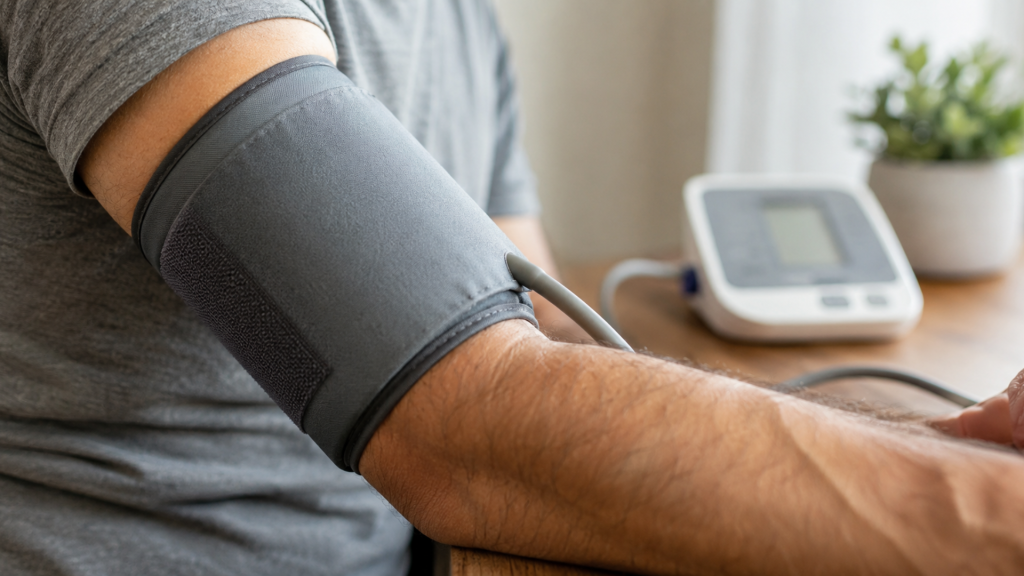
In a clinical case study, a 38-year-old man with a low sperm count, borderline high blood pressure, and elevated body fat committed to a 12-week lifestyle intervention. By adopting a Mediterranean-style diet, lifting weights three times a week, and getting eight hours of sleep, his motile sperm count nearly doubled. His blood pressure dropped to normal, and he lost 6kg.
He didn’t just improve his fertility—he radically improved his health trajectory.
Common Risk Factors That Impact Sperm and Well-Being
Multiple lifestyle and environmental factors influence both sperm quality and broader health:
- Obesity: Increases estrogen levels, insulin resistance, and inflammation.
- Smoking: Harms blood vessels, raises oxidative stress, and reduces sperm motility and morphology.
- Excessive alcohol: Affects testosterone production and can damage sperm DNA.
- Environmental toxins: Exposure to endocrine disruptors (plastics, pesticides) may impair fertility and hormone health.
- Poor sleep: Disrupts hormone cycles, including testosterone and cortisol.
How to Improve Sperm Health and Biomarkers Naturally
You don’t need medication to start turning things around. These natural strategies can help:
- Eat smarter: Prioritize whole foods—vegetables, lean protein, healthy fats, and antioxidant-rich fruits. Zinc, selenium, CoQ10, and omega-3s are especially helpful for sperm and metabolic health.
- Lift weights: Strength training increases testosterone, reduces body fat, and improves insulin sensitivity.
- Move regularly: Even brisk walking helps circulation and reduces inflammation.
- Manage stress: Chronic stress elevates cortisol, which suppresses testosterone and sperm production.
- Sleep deeply: Aim for 7–9 hours per night. Your hormones and reproductive system depend on quality rest.
Sperm Tests as a Preventive Health Tool
Doctors are beginning to recommend sperm analysis as part of proactive health screening—not just fertility workups. Abnormal results may prompt further tests for hormones, cardiovascular risks, or metabolic conditions.
This approach may help men catch problems earlier, when lifestyle changes or treatment can still make a big impact.
Looking Ahead: Sperm Health and the Future of Men’s Medicine
The idea that sperm can serve as a “biomarker” for male health is gaining traction. Future research may lead to standardized guidelines for using semen analysis as part of routine health assessments.
Promising areas for future exploration include:
- Creating clinical thresholds that flag cardiovascular risk based on sperm metrics
- Studying how diet, supplements, and sleep influence both sperm and chronic disease outcomes
- Developing easy-to-use at-home sperm tests for broader health screening
- Increasing access to male-focused preventive care in primary clinics
What Your Sperm Might Be Telling You
Your sperm aren’t just about fertility—they’re a reflection of your body’s inner systems. From hormones to heart health, inflammation to longevity, sperm quality can be a powerful signpost for your well-being.
If you’ve never thought about sperm health as part of your overall health picture, now’s the time. Whether you’re trying to conceive or just want to optimize your health, a simple sperm test could reveal more than you expected—and help you take action before deeper problems develop.