When most people think about sperm health, they immediately connect it with fertility. But urologists now see sperm health as a vital sign—just like blood pressure or cholesterol—that can tell you far more about your body than just your ability to conceive. One of the simplest ways to assess this is through a sperm concentration test kit, which measures how many sperm are present in each millilitre of semen and offers an early snapshot of reproductive and general health.
Large studies show that healthy sperm is linked to longer life expectancy, while poor sperm health can signal risks for diabetes, obesity, and even testicular cancer (Priskorn et al., 2025; Jensen et al., 2009). That’s why checking in on your sperm health is one of the smartest things you can do for your overall wellbeing.
Why Sperm Health Is More Than Just Fertility
Think of it this way: just like high blood pressure might be an early warning sign for heart disease, poor sperm health can act as an early signal for other conditions. Research shows that semen quality is closely tied to long-term health outcomes, including risks you might not immediately connect with fertility. That means a semen analysis isn’t just about family planning—it’s a snapshot of how well your body is functioning right now. For many men, the results can serve as a wake-up call to take a closer look at their lifestyle, metabolic health, or even underlying medical issues. In this sense, sperm health becomes more than a fertility metric—it’s a valuable barometer of overall wellbeing.
- A Danish cohort of 78,000 men found those with higher sperm counts lived almost three years longer than those with low counts (Priskorn et al., 2025).
- Another study showed a dose–response link: the better your sperm motility, shape, and semen volume, the lower your risk of death (Jensen et al., 2009).
Modern guidelines now recommend that doctors counsel men with abnormal semen results about broader health risks (AUA/ASRM Guideline 2024).
Meet TMSC: The Number That Defines Sperm Health
While a sperm concentration test looks at multiple factors (volume, concentration, motility, morphology), urologists often rely on Total Motile Sperm Count (TMSC) as the most practical measure of sperm health. That’s because TMSC combines both how many sperm you have and how well they move, giving a single number that’s easy to interpret. For couples trying to conceive, it’s often the figure that best predicts real-world outcomes like time to pregnancy or success with fertility treatments. Doctors like it because it’s simple to explain, and men find it useful because it provides a clear benchmark they can track over time. Think of it as the “headline number” of a semen analysis—the one that ties everything together.
- Trying naturally: Men with TMSC ≥50 million helped their partners conceive faster than those with lower counts (Keihani et al., 2021 – Human Reproduction).
- During treatment: If your TMSC is very low—under 5 million—IUI success rates are poor, and IVF or ICSI is often recommended (Muthigi et al., 2021 – Fertility and Sterility; Starosta et al., 2020 – Fertility Research and Practice).
What Poor Sperm Health Says About the Rest of Your Body
Testicular Cancer and Sperm Health
Research shows infertile men are almost twice as likely to develop testicular cancer compared to fertile men (Behboudi-Gandevani et al., 2021 – Frontiers in Oncology; Walsh et al., 2009 – Archives of Internal Medicine). That doesn’t mean poor sperm equals cancer—but it does mean urologists take abnormal semen results seriously and may recommend testicular exams or ultrasound.
Diabetes, Obesity, and Sperm Health
Metabolic health has a direct effect on sperm quality:
- Diabetes and sperm health: Men with diabetes (especially Type 1) often have lower motility and more abnormal sperm shapes (La Vignera et al., 2012 – Journal of Andrology).
- Obesity and sperm health: Extra weight is linked with lower sperm counts and reduced motility (Li et al., 2024 – International Journal of Obesity).
- Weight loss improves sperm health: Weight reduction has been shown to significantly improve sperm count and motility (Santi et al., 2025 – World Journal of Men’s Health).
Poor sperm results often trigger doctors to check blood pressure, blood sugar, and cholesterol—just like a bad cholesterol test might spark a heart health check.
How to Test Sperm Health at Home vs in a Clinic
Clinical semen analysis
The gold standard follows the WHO Laboratory Manual, 6th edition (2021) (WHO, 2021 PDF). A full semen analysis measures key parameters such as sperm concentration, motility, and morphology. The sperm concentration test in particular tells you how many sperm cells are present per millilitre of semen, forming the foundation of most fertility assessments.
At-home sperm testing
Technology has improved massively. Smartphone-based tests can now classify samples as “normal” or “abnormal” with 95–98% accuracy compared to lab methods (Kanakasabapathy et al., 2017). This makes at-home testing a great way to check your sperm health privately, monitor your sperm concentration over time, and track improvements before booking a clinic appointment.
How to Improve Sperm Health Naturally
If your sperm health isn’t where you want it, lifestyle changes can help. Small shifts in your daily routine like what you eat, how much you move, and how well you sleep—can have a surprisingly big impact on your results. The good news is that most of these changes are things you can start right away without medical intervention. Even modest improvements, such as dropping a few kilos or cutting back on smoking and alcohol, can make a measurable difference in sperm count and motility. Think of it as giving your body (and your future fertility) the same kind of tune-up you’d give to your car before a long journey.
Nutrition
- Eat the rainbow. Antioxidant-rich foods (berries, leafy greens, citrus) protect sperm from oxidative damage.
- Go Mediterranean. Olive oil, fish, nuts, and whole grains are linked to better sperm quality (Piera-Jordan et al., 2024 – Frontiers in Nutrition).
- Nuts for a boost. A randomized trial found that adding nuts improved sperm parameters (Salas-Huetos et al., 2018 – AJCN).
- Watch processed foods. Diets heavy in trans fats, processed meats, and sugary drinks are linked to poorer semen quality.
Supplements
- Zinc, Vitamin D, Omega-3s, and CoQ10 all show evidence of supporting sperm production and motility (Safarinejad, 2009 – Journal of Urology).
Exercise
- Moderate workouts help. Exercise improves hormones and sperm parameters (Vaamonde et al., 2012 – European Journal of Applied Physiology).
- Don’t overdo it. Extreme endurance training can lower testosterone.
Sleep
- 7–9 hours per night. Short or poor-quality sleep is linked to lower sperm counts (Chen et al., 2016 – SLEEP).
- Consistency counts. Going to bed and waking up at the same time helps regulate hormones.
Habits to avoid
- Smoking damages sperm DNA (Sharma et al., 2016).
- Excess alcohol lowers testosterone.
- Heat exposure (saunas, hot tubs, laptops on laps) raises testicular temperature.
- Anabolic steroids can stop sperm production entirely.
Retesting and Tracking Your Sperm Health Over Time
One sperm test doesn’t tell the whole story. That’s because sperm quality naturally fluctuates from week to week depending on things like stress, sleep, and lifestyle choices. By retesting, you can see whether a low result was just a blip or part of a consistent pattern. It also gives you a chance to measure the impact of changes you’ve made—like losing weight, cutting back on alcohol, or improving your diet. Think of it as keeping a health diary for your fertility, with each test adding another piece to the bigger picture.
- Retest every 6–8 weeks. It takes about 74 days to produce new sperm
- Look for trends, not one-offs. A single low test isn’t destiny—patterns matter more.
- Re-test after lifestyle changes. Lost weight, quit smoking, or improved your sleep? Check again in 2–3 months.
Where At-Home Tests Fit In
Many men delay sperm testing because it feels awkward. That’s where ExSeed helps. With a discreet, accurate at-home kit, you can check your sperm health (including TMSC) and track progress after lifestyle changes.
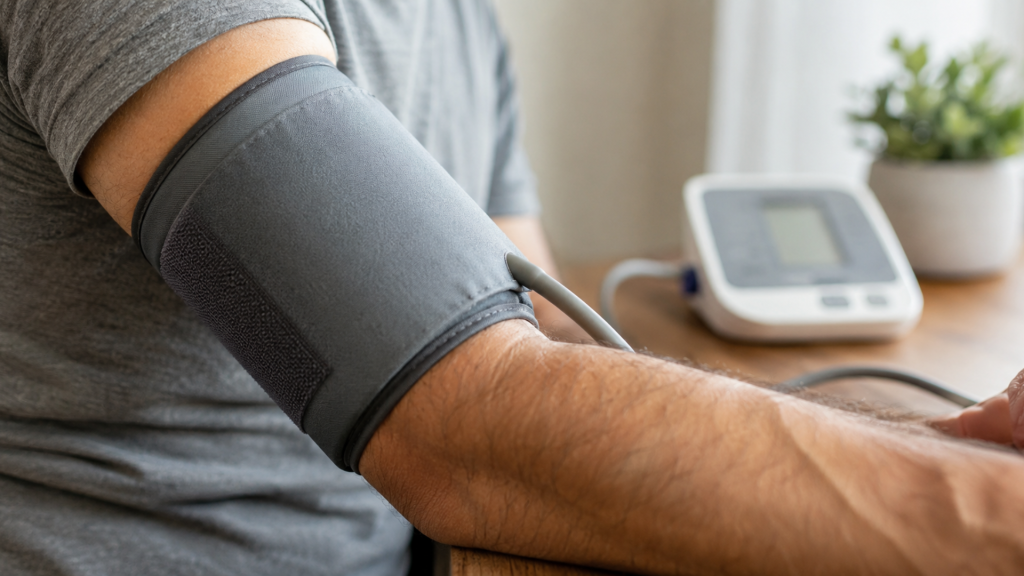
Think of it like a home blood pressure monitor: it doesn’t replace the doctor, but it helps you spot problems early and know when to escalate.
What Counts as Healthy Sperm?
Here’s a rough guide based on research:
- 50 million+ TMSC: Higher chances of faster conception (Keihani et al., 2021).
- 10–50 million TMSC: Many couples still conceive naturally; female partner’s age and health matter.
- Under 5–10 million TMSC: IUI is less likely to work; IVF or ICSI may be recommended.
The Bottom Line on Sperm Health
Your sperm health isn’t just about babies—it’s about you.
Just like cholesterol or blood pressure, semen quality can reveal things about your wider health. Poor results can flag risks like obesity, diabetes, or testicular cancer, while healthy results suggest a stronger overall outlook.
By checking your sperm health, tracking changes, and making lifestyle adjustments, you’re not only boosting fertility—you’re investing in your long-term wellbeing.
With tools like ExSeed, it’s easier than ever to take that first step.