Signs of low sperm count can be subtle, but recognizing them early helps men take control of their fertility. Winter is the perfect time to check your sperm health and make positive changes before the new year begins.
Recent research highlights that oxidative stress, hormonal imbalance, and nutrition all play crucial roles in sperm function and quality — and many of these factors worsen during winter months.
What Does “Low Sperm Count” Actually Mean?
A low sperm count means your semen has fewer sperm than normal. Doctors usually define this as less than 15 million sperm per milliliter of semen. While it doesn’t always mean you can’t conceive, it can make it harder for sperm to reach and fertilize an egg.
According to research published in the Journal of Human Reproductive Sciences (PMCID: PMC5586910), oxidative stress significantly impacts male reproductive health, emphasizing why antioxidant support and early testing are essential.
Many men with low sperm count still have normal sex drives and no symptoms, which is why testing is the only way to know for sure.
Common Signs and Symptoms of Low Sperm Count
Even though symptoms can be mild, here are some possible signs of low sperm count that may indicate fertility problems.
Most men with fertility challenges don’t notice major physical changes at first. Unlike conditions that cause pain or visible symptoms, a low sperm count often affects your body and wellbeing in subtle ways. Paying attention to these smaller clues can help you act early.
1. Difficulty Conceiving
If you and your partner have been trying to conceive for 12 months or longer without success (or 6 months if your partner is over 35), it might be time to test your sperm count.
In many cases, the challenge isn’t with sexual performance but with the number or quality of sperm reaching the egg. Testing can help rule out other causes and focus your fertility plan.
2. Changes in Sexual Function
Low sperm count doesn’t always affect libido or erections, but hormonal changes can.
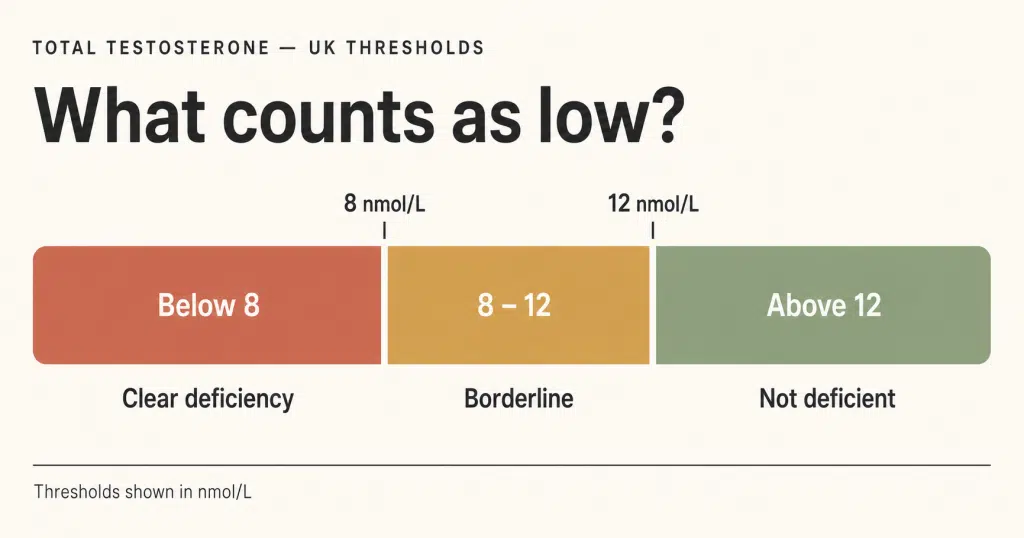
Some men experience a drop in testosterone, which may lead to lower sexual desire, fewer morning erections, or changes in energy and mood. These symptoms don’t always mean infertility — but combined, they can hint at hormonal imbalances affecting sperm production.
3. Pain, Swelling, or Discomfort in the Testicles
A dull ache or feeling of heaviness in the testicles can sometimes point to a varicocele — swollen veins in the scrotum that interfere with sperm quality.
According to a Frontiers in Reproductive Health review (DOI: 10.3389/frph.2021.734278), varicoceles are among the most common correctable causes of male infertility.
4. Reduced Facial or Body Hair
Because testosterone plays a key role in sperm production, a noticeable loss of facial or body hair could reflect hormonal imbalance.
This might occur naturally with age, but when combined with fertility challenges, it’s worth checking both testosterone and sperm levels.
5. General Fatigue, Stress, or Low Mood
Feeling constantly tired or run-down could be more than just winter fatigue.
High stress, poor sleep, and low testosterone are all linked to reduced sperm count and motility.
A study in Andrology (PMCID: PMC10095136) found that sleep deprivation and chronic stress significantly impact sperm concentration and motility in healthy men.
Why Winter Can Affect Your Sperm Health
Winter brings several factors that can influence sperm quality:
- Less sunlight = lower vitamin D, which supports hormone balance.
- More alcohol and rich foods over the holidays can affect sperm motility.
- Colder weather can reduce physical activity, impacting circulation and testosterone.
- Stress and poor sleep during darker months can lower sperm quality.
A study from the American Journal of Epidemiology (PMID: 29947884) found that vitamin D deficiency — more common in winter — is correlated with lower semen volume and sperm motility.
Small lifestyle changes — like staying active, eating nutrient-rich foods, and getting enough sleep — can make a real difference.
How to Test Your Sperm Count from Home
You don’t need a clinic visit to learn about your fertility. With ExSeed’s at-home sperm test, you can check your sperm count, motility, and overall quality in minutes using just your smartphone.
Here’s how it works:
- Collect a semen sample using the ExSeed test kit.
- Use your phone’s camera to analyze sperm concentration and movement.
- Get instant results with tailored advice and tracking options.
Testing during the winter months can help you start the new year informed and ready to make lifestyle improvements — and detect early signs of low sperm count before it becomes a long-term issue.
How to Improve Sperm Count Naturally
If your test results show a low sperm count, don’t panic — small steps can lead to big improvements:
- Eat a fertility-friendly diet rich in zinc, omega-3, and antioxidants.
- Limit alcohol and avoid smoking.
- Exercise moderately and maintain a healthy weight.
- Get enough vitamin D, especially in winter.
- Reduce heat exposure (tight underwear, hot baths, saunas).
A systematic review in Nutrients (PMCID: PMC8308756) confirms that antioxidants such as vitamin C, E, and CoQ10 can improve sperm motility and reduce oxidative stress.
When to See a Fertility Specialist
If your sperm test shows consistently low results after lifestyle changes, it’s time to speak with a specialist.
They can perform advanced tests to check hormone levels and identify any underlying medical issues.
Take Control of Your Fertility This Winter
Winter is a great opportunity to focus on your health and fertility. By recognizing the signs of low sperm count early and testing at home, you can take meaningful steps toward improving your chances of conception.
👉 Check your sperm count today with ExSeed’s at-home test kit
Fast, private, and accurate — your fertility health starts here.
FAQ: Low Sperm Count and Fertility Testing
Q1: What causes a low sperm count in men?
Low sperm count can be caused by oxidative stress, hormonal imbalances, lifestyle factors, or conditions such as varicocele. Environmental toxins and poor diet can also contribute.
Q2: Can lifestyle changes improve a low sperm count?
Yes. Regular exercise, eating nutrient-rich foods, reducing alcohol, managing stress, and maintaining a healthy weight can all help increase sperm count and motility.
Q3: How long does it take to improve sperm count naturally?
Sperm production takes about 64–72 days, so it usually takes 2–3 months to see noticeable improvements after making lifestyle changes.
Q4: Is low sperm count permanent?
Not always. In many cases, low sperm count can be improved through lifestyle changes or treatment. Regular testing helps monitor improvements and guide next steps.
Q5: When should I see a doctor for fertility issues?
If you’ve been trying to conceive for 12 months (or 6 months if your partner is over 35) without success, it’s time to see a fertility specialist.