Men’s Health Week is a timely reminder for men to take stock of their overall health and wellbeing. While the focus is often on fitness and disease prevention, there’s another important — and often overlooked — benefit to improving your lifestyle: fertility.
That’s right — the same habits that help you feel better, sleep better, and live longer can also support healthy sperm production, testosterone levels, and reproductive function. Whether you’re planning for a family now or simply want to future-proof your health, here are 7 evidence-based tips that can help.

1. Engage in Regular Physical Activity
Exercise does more than build muscle — it can significantly influence hormone levels, weight management, and even sperm health. A 2022 review in Reproductive Biology and Endocrinology found that men who exercised regularly had significantly higher testosterone levels and improved sperm motility and morphology compared to those who were sedentary (Maleki & Tartibian, 2022).
Resistance training and cardiovascular activity both have benefits, but moderation is key. Overtraining (such as intense long-distance running) may have the opposite effect and reduce testosterone. The sweet spot? Aim for around 150 minutes of moderate-intensity exercise per week, such as walking, swimming, or light gym sessions.
Why it matters: Exercise reduces oxidative stress, a major factor in sperm DNA damage, and helps maintain a healthy weight — another predictor of fertility outcomes.

2. Prioritize Quality Sleep
Sleep is when your body recovers and rebalances hormones — especially testosterone, which peaks during deep REM sleep. According to a study published in Fertility and Sterility, men who slept less than six hours per night had 31% lower sperm counts compared to men who got 7–8 hours of sleep (Liu et al., 201661383-0/fulltext)).
Consistent sleep is also linked to better libido, mental health, and metabolic balance. Poor sleep, on the other hand, increases cortisol — the stress hormone that competes with testosterone and can suppress reproductive hormones.
Quick tip: Create a wind-down routine, keep your bedroom cool and dark, and aim for 7–9 hours of sleep per night.

3. Adopt a Nutrient-Rich Diet
A fertility-supporting diet is similar to a heart-healthy one: rich in antioxidants, healthy fats, lean proteins, and low in ultra-processed foods. A large 2018 meta-analysis in Human Reproduction Update found that men who consumed more omega-3s, vitamin E, selenium, and zinc had higher sperm motility and count (Salas-Huetos et al., 2018).
Key nutrients and food sources:
- Zinc: Found in pumpkin seeds, beef, lentils — essential for sperm production.
- Folate: Leafy greens like spinach help reduce sperm DNA fragmentation.
- Antioxidants: Berries, nuts, and dark chocolate protect sperm from oxidative damage.
- Omega-3s: Fatty fish like salmon and mackerel improve sperm fluidity and structure.
Pro tip: Follow a Mediterranean-style diet for overall fertility and cardiovascular benefits.

4. Manage Stress Effectively
High levels of chronic stress are bad news for fertility. When you’re stressed, your body releases more cortisol, which can interfere with the production of gonadotropin-releasing hormone (GnRH), a key regulator of testosterone and sperm production.
A 2023 study in Frontiers in Endocrinology confirmed that men experiencing chronic stress showed higher levels of sperm DNA fragmentation and poorer semen quality overall (Wang et al., 2023).
Stress management practices:
- Mindfulness or meditation apps like Headspace or Calm
- Daily walks or yoga
- Journaling or breathwork
- Talking with a therapist or coach
Bottom line: Mental health is reproductive health.

5. Avoid Harmful Substances
Smoking, excessive alcohol, and recreational drug use are all directly linked to poor semen quality. Cigarette smoke contains over 4,000 chemicals, many of which cause oxidative stress and damage to sperm DNA. A 2021 study in Andrology showed that smokers had significantly lower sperm concentration and higher rates of DNA fragmentation (Rahban & Nef, 2021).
Watch out for:
- Smoking: Linked to lower motility and abnormal sperm shape.
- Alcohol: More than 14 drinks per week may lower testosterone and semen volume.
- Cannabis and anabolic steroids: Associated with reduced sperm count and testicular shrinkage.
Action step: If you’re trying to conceive, consider cutting these substances out entirely — sperm takes around 72–90 days to regenerate, so improvements can be seen within 3 months.

6. Protect Against Excessive Heat Exposure
The testes are designed to stay slightly cooler than the rest of the body — around 2–4°C lower — to allow optimal sperm production. Prolonged exposure to heat can disrupt this process. This includes:
- Hot tubs and saunas
- Laptop use on the lap
- Tight-fitting underwear or pants
- Long-distance cycling without breaks
A clinical review in Basic and Clinical Andrology emphasized that heat stress impairs spermatogenesis and can lead to temporary infertility in otherwise healthy men (Durairajanayagam et al., 2015).
What to do: Avoid hot environments, wear breathable cotton underwear, and keep laptops or heated devices off your lap.

7. Undergo Regular Health Check-Ups
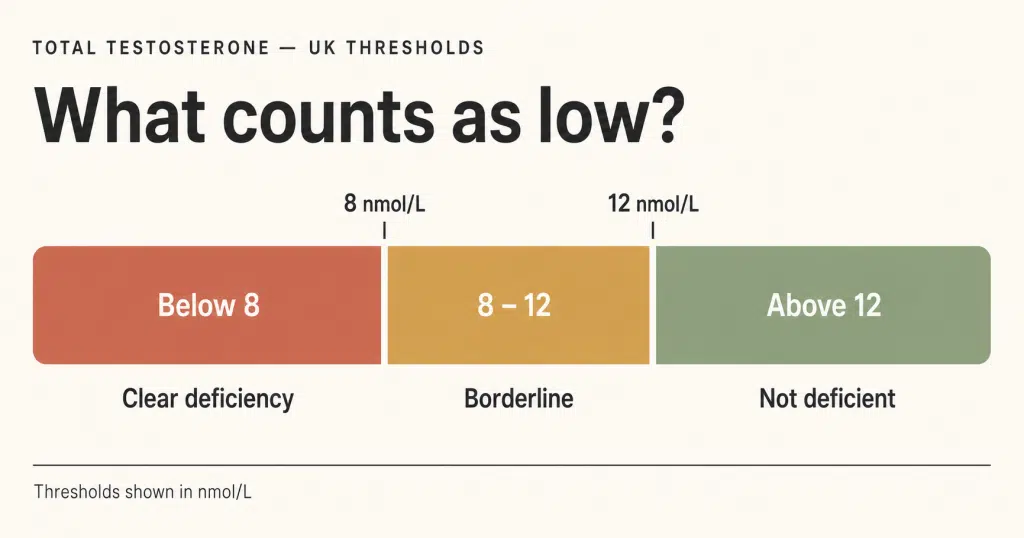
It’s easy to skip the doctor’s office when you feel fine — but some conditions that affect fertility, like varicoceles (enlarged veins in the scrotum) or low testosterone, don’t always show symptoms. The NICE Guidelines recommend that men experiencing fertility issues undergo early evaluation, including semen analysis and hormonal testing (NICE CKS).
Other helpful checks include:
- STI screening
- Thyroid function tests
- Blood sugar and blood pressure monitoring
Good to know: Fertility is often a marker of general health — low sperm quality can sometimes signal underlying metabolic or hormonal disorders.
Final Thoughts
Improving your health doesn’t have to be overwhelming. Even small shifts — like going for a daily walk, swapping junk food for whole foods, or turning your phone off before bed — can make a big difference over time.
This Men’s Health Week, take one actionable step toward better health. You’ll not only feel stronger and more energised but also support your future fertility and long-term wellbeing.
Because strong health equals strong potential — in every sense of the word.