Male fertility is a complex process influenced by many factors — and recent research suggests that sleep apnea may be one of them. Sleep apnea, especially obstructive sleep apnea (OSA), is a sleep disorder that causes repeated pauses in breathing during sleep. These interruptions reduce oxygen levels in the body. While OSA is widely linked to snoring and tiredness, its impact on sperm health is an emerging field of study. This article explores how OSA might affect sperm quality, drawing on findings from recent research.
Sleep Apnea and Male Fertility
A 2021 study published in Pulmonary Medicine examined the link between OSA and male infertility in a large Taiwanese population. The study followed over 4,600 men diagnosed with infertility and compared them with a control group. It found that OSA was an independent risk factor for infertility — men with OSA were 1.24 times more likely to experience infertility than those without it. Interestingly, the longer OSA went untreated, the higher the risk appeared to be.
A second study, published in Sleep and Breathing in 2023, focused directly on the effects of OSA on semen quality. Researchers looked at sperm motility and vitality in men undergoing fertility assessments. They grouped participants by OSA severity using the Apnea-Hypopnea Index (AHI). Results showed that as AHI increased, both sperm motility and vitality declined. Men with more severe OSA were more likely to experience asthenospermia — a condition marked by reduced sperm motility.
The Mechanism
While evidence points to a connection, scientists are still exploring how OSA might affect sperm health. Several possible explanations exist:
- Oxidative Stress: Fluctuating oxygen levels during sleep apnea episodes can increase oxidative stress. This oxidative damage may harm sperm cells and lower their motility and function.
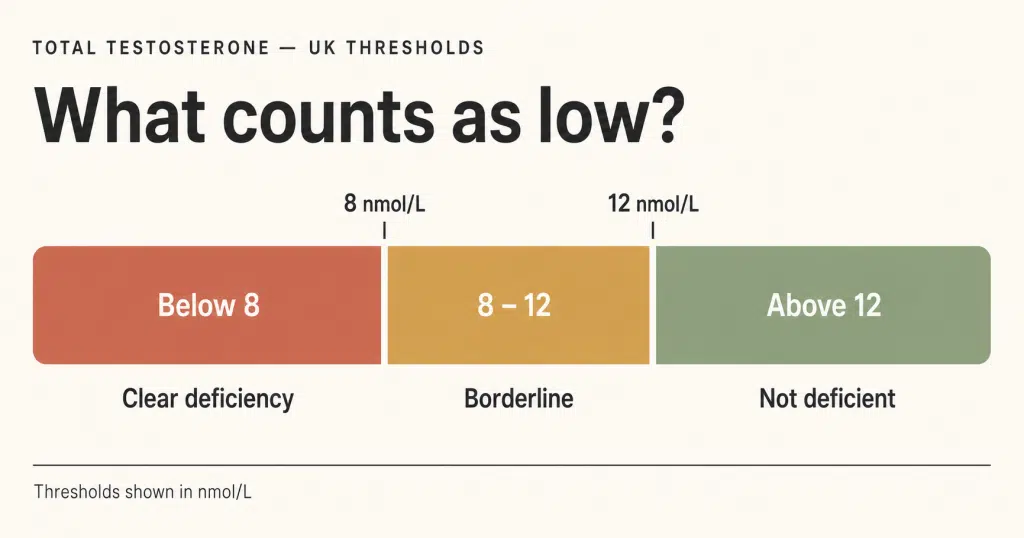
- Hormonal Imbalance: OSA can disrupt hormone production, including testosterone — a key hormone in sperm creation and quality. Research suggests that more severe OSA is linked with lower testosterone levels.
- Inflammation: Chronic inflammation often accompanies OSA and can negatively affect sperm production, development, and maturation.
Sleep Apnea Treatment and Fertility
The encouraging news is that OSA is treatable. The most common solution is Continuous Positive Airway Pressure (CPAP) therapy — a device worn during sleep that keeps airways open by maintaining steady airflow. Lifestyle changes such as weight loss, quitting smoking, and avoiding alcohol before bed can also help reduce OSA symptoms.
The 2021 Taiwanese study also hinted that treating OSA may lower the risk of infertility. Men who received CPAP therapy or underwent corrective surgery did not show the same fertility decline seen in untreated patients. Although more studies are needed, these findings suggest that improving sleep quality could also benefit reproductive health.
What’s the Verdict?
The research connecting sleep apnea and male fertility is still evolving. The studies so far provide compelling evidence of an association between OSA and lower sperm motility, vitality, and hormone balance. However, scientists are continuing to explore how these effects develop over time and how reversible they might be.
Future studies may focus on:
- The impact of different OSA treatments on sperm quality and fertility outcomes.
- How long-term untreated OSA affects sperm recovery and hormone regulation.
- Whether combined treatment approaches can support both sleep health and fertility.
Sleep apnea is a common sleep disorder that can have broader effects than many realize — including on fertility. Current evidence suggests that OSA may lower sperm motility and vitality, but timely treatment could help reverse some of these effects. Men who experience both infertility and sleep issues should speak with a healthcare provider to discuss testing and treatment options.
If you suspect you might have sleep apnea, getting diagnosed early is important. Effective treatment can improve not only your sleep but also your overall well-being — and possibly your fertility. Addressing sleep-related problems is a key step toward a healthier reproductive system.
To better understand your fertility, consider testing your sperm health at home. The ExSeed at-home sperm test offers an accurate, clinical-grade analysis of sperm motility, concentration, and total motile sperm count. The results give you valuable insights that can guide your next steps and support productive conversations with your doctor about improving both sleep and reproductive health.